
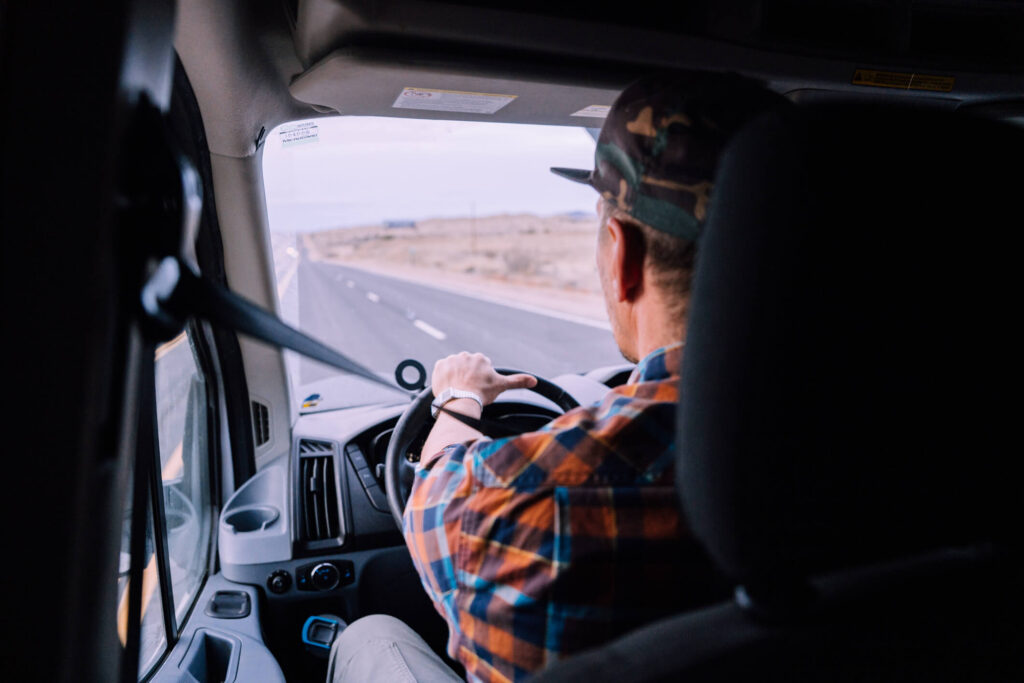
Fleet fuel cards with integrated telematics and GPS tracking combine fuel transaction data with vehicle location information, driving behavior metrics and maintenance data for better fleet management. Fuel cards deliver transaction information, and telematics systems provide location and vehicle performance data. Integration helps businesses by correlating fuel usage with routes, matching transactions with vehicle locations, analyzing driving behaviors affecting fuel efficiency, and understanding fleet operations. Esso and Mobil fuel cards can integrate with telematics platforms to support Canadian businesses using combined data for fleet management.
Looking for integrated solutions? Check out the Esso and Mobil Business Card. For expanded capabilities, explore the Esso and Mobil Premier Plus Business Card.
GPS tracking is designed to help verify the locations of fuel card transactions. When a fuel purchase is recorded, GPS data can help confirm the vehicle was at the correct location at the correct time.
Understanding Telematics and Fuel Card Integration
Telematics systems track vehicle locations using GPS, monitor engine performance, record driving behaviors and capture operational data. Fuel cards track fuel purchases, costs and consumption. Integration connects these data streams, enabling businesses to see fuel transactions alongside vehicle locations and operational patterns. This combined view is designed to show relationships between driving behaviors and fuel efficiency, to confirm that fuel purchases align with vehicle locations, and to support better decision-making. Integration can occur in near real time or through scheduled data syncing, depending on the platform.
Correlating Fuel Usage with Routes and Locations
Integrated systems enable businesses to analyze fuel consumption by specific routes or geographic areas. Fleet managers can compare expected fuel use based on distance, load and terrain with actual consumption. Variances may indicate inefficient routing, traffic delays or driver behavior issues. GPS data confirms fueling locations and can highlight detours or unauthorized travel. Over time, route-level data can inform route redesign, territory adjustments and dispatch planning.
Validating Fuel Transactions with Vehicle Locations
GPS tracking verifies the locations of fuel card transactions. When a fuel purchase is recorded, GPS data can confirm the vehicle was at the correct location at the correct time. This validation helps detect fraudulent transactions, unauthorized card usage or card sharing. Systems can automatically flag mismatches, such as fuel purchases made far from the vehicle’s last known location or outside expected operating hours. These alerts allow managers to investigate and take corrective action.
Analyzing Driving Behaviors Affecting Efficiency
Telematics systems capture behaviors such as speeding, harsh acceleration, excessive idling and aggressive braking. Fuel card data shows consumption. Integrated analysis enables businesses to correlate specific behaviors with fuel usage patterns and identify which behaviors have the greatest impact on efficiency. For example, extended idling may increase fuel use without adding mileage, while aggressive acceleration can reduce fuel economy. This supports targeted driver coaching focused on measurable effects on fuel costs and operational performance.
Strategies for Coordinating Maintenance with Fuel Consumption Patterns
Telematics systems can track maintenance schedules based on mileage, engine hours or diagnostic codes. Fuel card data reveals consumption trends potentially indicating maintenance needs, such as reduced fuel efficiency due to tire pressure issues or engine problems. Integration is designed to enable businesses to identify vehicles with declining performance, systematically schedule maintenance based on actual usage, and evaluate whether servicing improves fuel efficiency. This approach helps reduce unplanned downtime and extends vehicle life.
Improving Utilization and Asset Management
Combined telematics and fuel card data provide information about vehicle utilization. Businesses can assess how often vehicles are used, how far they travel and how much fuel they consume relative to output. Underutilized vehicles may be reassigned or removed from the fleet, while overused assets may require rotation or replacement. Data can also reveal seasonal or regional demand patterns, helping businesses align fleet size and distribution with operational needs.
Combined telematics and fuel card data are designed to help provide information about vehicle utilization. Businesses can assess how often vehicles are used, how far they travel and how much fuel they consume relative to output.
Enhancing Driver Accountability and Performance

Integrated systems can be used to create driver performance profiles by combining fuel efficiency metrics with driving behavior data. Managers can identify patterns such as consistent over-idling or speeding and link them directly to fuel costs. Scorecards or reports can be used to track performance over time and set benchmarks. Clear data supports consistent feedback and helps standardize expectations across drivers.
Supporting Compliance and Regulatory Reporting
Some industries require tracking of vehicle movements, fuel consumption and operations for regulatory compliance. Integrated systems can provide documentation to support reporting requirements, such as mileage logs, fuel tax reporting and hours-of-service tracking. Electronic records combine location, fuel and operational data to help simplify audits and potentially reduce manual recordkeeping.
Choosing Integrated Solutions or Connecting Systems
Some platforms combine fuel cards and telematics into a single system or connect separate systems through data integration. Integrated platforms reduce administrative complexity by centralizing data, while separate systems allow businesses to select vendors based on specific needs. Integration methods may include APIs, batch uploads, or third-party connectors. The choice depends on technical resources and existing infrastructure reporting requirements.
Evaluating Integration Capabilities
When selecting fuel card programs, businesses should evaluate integration options with telematics systems. Key factors include compatibility with existing providers, frequency of data updates, reporting capabilities and support for customization. Vendor support for onboarding and troubleshooting can also affect implementation timelines. Comparing Esso and Mobil fuel cards helps you understand the differences across card options.
Fleet fuel cards with integrated telematics and GPS tracking are built to help provide operational visibility. Esso and Mobil fuel cards support integration with telematics platforms to help Canadian businesses use combined data.
Visit essobusinesscards.ca to explore integrated solutions.
